
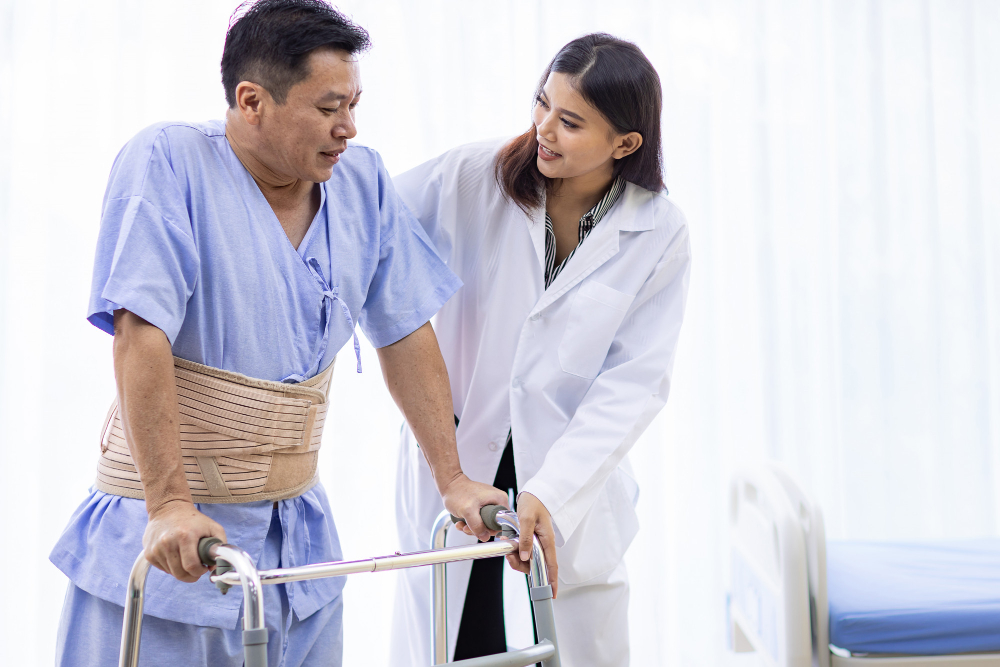
Post-surgery mobility recovery is the process of regaining movement and strength after an operation. This recovery is important because it helps you return to daily activities, lowers the risk of complications, and improves your overall health. Many people face challenges after surgery, but with the right steps, you can make steady progress. In this guide, you will learn about post-surgery mobility recovery, common challenges, and how physiotherapy and safe movement can help you heal.
What is Post-Surgery Mobility Recovery?
Post-surgery mobility recovery means getting back your ability to move after an operation. After surgery, your body needs time to heal. However, moving your body safely is key to a full recovery. For example, walking, stretching, and gentle exercises can help your muscles and joints work better. With the right plan, you can regain strength and return to your normal life sooner.
Common Challenges After Surgery
Many people face problems with movement after surgery. Some common challenges include:
However, knowing these challenges can help you prepare and find ways to overcome them. Always talk to your doctor if you have concerns.
Key Steps in Mobility Recovery
There are several important steps to help you recover movement after surgery. Each step supports your healing and helps you regain strength. For best results, follow your doctor’s advice and take things slowly.
Role of Physiotherapy in Recovery
Physiotherapy, also called physical therapy, plays a big role in post-surgery mobility recovery. A physiotherapist is trained to help you move safely and regain strength. For instance, they can teach you special exercises to improve balance, flexibility, and muscle strength. They also guide you on how to move without causing harm. According to the World Health Organization (WHO), early and regular physiotherapy can speed up recovery and lower the risk of long-term problems.
Tips for Safe and Effective Movement
Moving safely after surgery is very important. Here are some tips to help you:
In addition, ask for help from family or friends if you feel unsteady. This can make your recovery safer and less stressful.
Prevention of Complications
Preventing problems after surgery is just as important as regaining movement. Some common complications include blood clots, infections, and falls. However, you can lower your risk by:
If you notice any unusual symptoms, contact your healthcare provider right away. Early action can prevent serious problems.
When to Seek Professional Help
Sometimes, you may need extra help during your recovery. Seek professional help if you notice:
These signs may mean you have a complication that needs quick treatment. Do not wait to get help if you feel something is wrong.
In summary, post-surgery mobility recovery is a key part of healing. With the right steps, support, and care, you can regain movement and return to your daily life. Consult a physiotherapist or rehabilitation specialist at Breeze Multidisciplinary Rehabilitation Centre for personalized recovery guidance.