What is Traumatic Brain Injury (TBI)?
Traumatic brain injury (TBI) happens when a sudden force damages the brain. This can result from a fall, car crash, or sports injury. Because the brain controls many body functions, even a mild injury can affect daily life. Early care is important for the best traumatic brain injury recovery. According to the CDC, millions of people experience TBI each year.
Common Symptoms and Warning Signs
After a head injury, symptoms may appear right away or later. However, not everyone has the same signs. Watch for these common symptoms:
If you notice any of these, seek medical help. Early attention can improve TBI rehabilitation outcomes.
Causes and Risk Factors
Many things can cause a traumatic brain injury. For example, common causes include:
Some people face higher risks. Older adults, young children, and athletes are more likely to get a TBI. Wearing helmets and using seat belts can lower your risk.
Diagnosis and Assessment Methods
Doctors use several steps to diagnose TBI. First, they ask about the injury and symptoms. Then, they may perform a physical exam. Often, doctors use tests such as:
Early diagnosis helps guide comprehensive TBI treatment. The World Health Organization recommends prompt assessment for the best results.
Rehabilitation and Treatment Options
Recovery from TBI often needs a team approach. Treatment depends on the injury’s severity. For mild cases, rest and monitoring may be enough. However, moderate or severe cases need more care. Key options include:
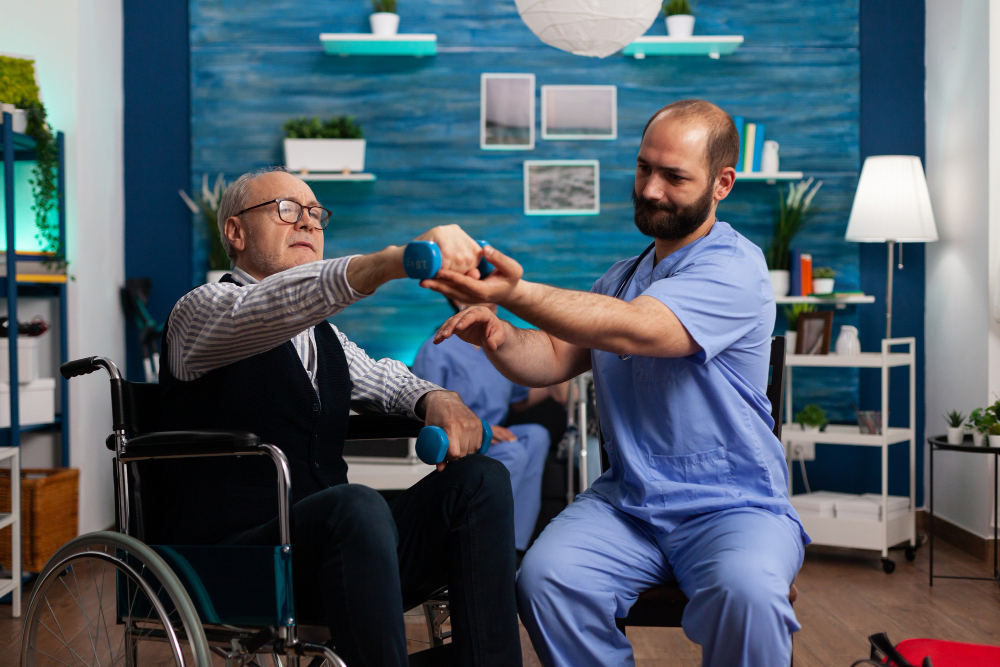
Physiotherapy plays a big role in traumatic brain injury recovery. For example, it helps patients regain balance, coordination, and muscle control. Regular sessions can speed up TBI rehabilitation and boost confidence.
Lifestyle Tips for Recovery and Daily Living
After a TBI, daily routines may change. But with the right steps, you can support your recovery. Consider these tips:
With patience and practice, many people see steady progress. Remember, every recovery journey is unique.
Prevention Strategies
While not all TBIs can be prevented, you can lower your risk. Try these strategies:
Simple steps can make a big difference in preventing brain injuries.
When to Seek Medical Help
Sometimes, symptoms may seem mild at first. However, it is important to watch for warning signs. Seek medical help right away if you notice:
Quick action can prevent serious problems. The CDC stresses the importance of early care for TBI.
Conclusion
In summary, traumatic brain injury recovery takes time and support. With proper treatment and care, many people regain their abilities. For the best results, consult a rehabilitation specialist at Breeze Multidisciplinary Rehabilitation Centre for personalized guidance on traumatic brain injury recovery.