
Introduction
After a bone fracture, post-fracture rehab is key to regaining strength and movement. Many people feel weak or stiff after a broken bone heals. However, with the right rehab plan, you can recover faster and return to daily life. Post-fracture rehabilitation helps you rebuild muscle, improve joint movement, and lower the risk of future injuries. In this blog, you will learn about the rehab process, common challenges, and helpful tips for a smooth recovery.
What is Post-Fracture Rehabilitation?
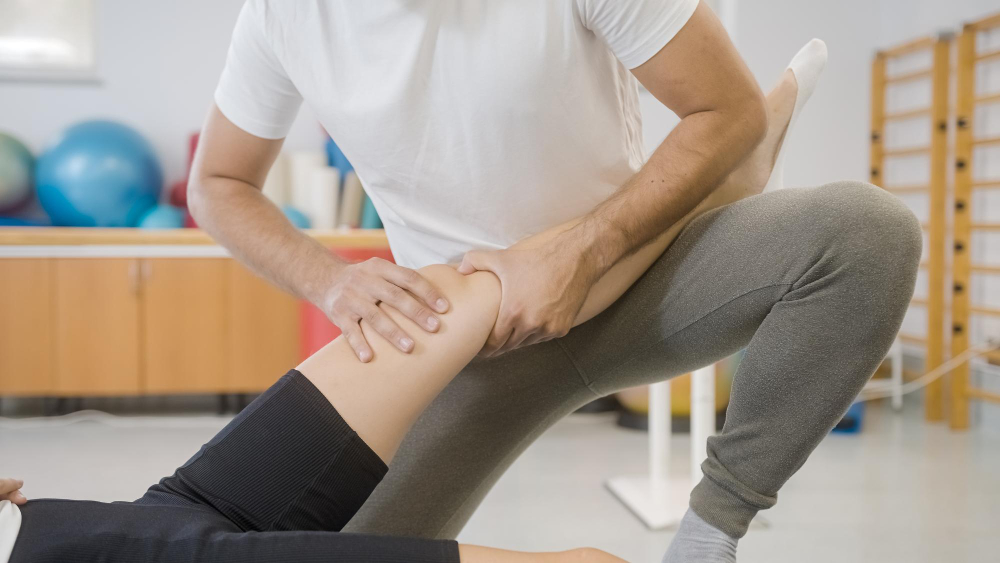
Post-fracture rehabilitation is a step-by-step program designed to help you recover after a bone break. Usually, it starts once your doctor says the bone is stable. The main goals are to restore strength, improve movement, and help you return to normal activities. Physiotherapists use special exercises and techniques to guide your recovery. As a result, you can move better and feel stronger each day.
Common Symptoms and Challenges After a Fracture
After a fracture, you may notice several symptoms. These can make daily tasks harder. For example, you might feel:
Sometimes, these symptoms last even after the bone heals. Therefore, rehab is important to address these issues and help you recover fully.
Causes of Limited Movement and Weakness Post-Fracture
Several factors can cause limited movement and weakness after a fracture. First, wearing a cast or splint keeps the bone still, but it also leads to muscle loss. Second, pain may make you avoid moving the area. Third, swelling can make joints stiff. Over time, these issues can slow your recovery. That is why starting rehab at the right time is so important.
Diagnosis and Assessment in Rehab
Before starting rehab, a physiotherapist will assess your condition. They may check:
Additionally, your medical history and X-rays may be reviewed. This helps create a safe and effective rehab plan tailored to your needs. According to the World Health Organization (WHO), early assessment improves outcomes and prevents long-term problems.
Effective Physiotherapy Treatments and Techniques
Physiotherapy after bone fracture uses many proven methods. Some common treatments include:
Moreover, your physiotherapist may use heat, ice, or electrical stimulation to help with pain. Each treatment is chosen based on your progress and comfort.
Home Exercises and Lifestyle Tips for Recovery
In addition to clinic visits, home exercises are vital for fracture recovery. For best results, follow your physiotherapist’s advice. Here are some helpful tips:
Furthermore, avoid high-impact activities until your therapist says it is safe. Consistency is key to regaining strength and movement.
Prevention of Future Injuries
Once you recover, it is important to prevent another fracture. You can lower your risk by:
According to the Centers for Disease Control and Prevention (CDC), these steps help reduce falls and keep your bones strong.
When to Seek Professional Help
Sometimes, you may need extra support during rehab. Seek help if you notice:
Early attention can prevent further problems and speed up your recovery.
Conclusion
In summary, post-fracture rehab is essential for regaining strength and movement. With the right physiotherapy and home care, you can recover well and return to your normal life.For the best results, consult a physiotherapist for personalized post-fracture rehabilitation guidance at Breeze Multidisciplinary Rehabilitation Centre.