
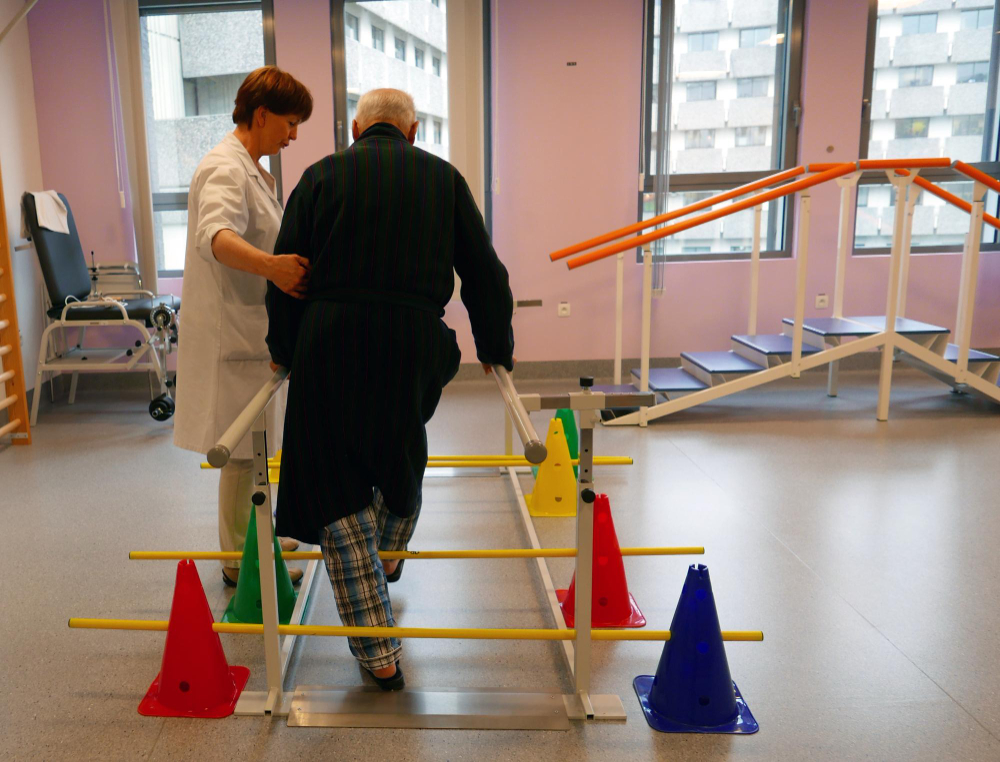
Falls can happen to anyone, but they are especially common among older adults. Fall prevention rehabilitation focuses on building strength and stability to reduce the risk of falling. This approach uses fall prevention exercises, rehabilitation for seniors, and balance training. As a result, people can improve their balance and strength, making daily life safer and more enjoyable.
What is Fall Prevention Rehabilitation?
Fall prevention rehabilitation is a program designed to help people avoid falls. It uses exercises and activities to improve balance, strength, and movement. Often, these programs are led by physiotherapists or rehabilitation experts. For seniors, this type of care is very important. It helps them stay active and independent. According to the CDC, regular rehabilitation can lower the risk of falls and injuries.
Why Strength and Stability Matter
Building strength and stability is key to preventing falls. Strong muscles support your body and help you move safely. Good balance lets you react quickly if you trip or slip. In addition, strong legs and a stable core make walking and standing easier. For seniors, these skills are vital for daily tasks. Therefore, focusing on strength and stability can help you stay safe at home and outdoors.
Common Causes of Falls
Many things can lead to falls, especially in older adults. Understanding these causes can help you avoid them. Some common reasons include:
Because these risks are common, it is important to address them early.
Key Exercises for Building Strength and Stability
Simple exercises can help you build strength and improve balance. Always check with your doctor or physiotherapist before starting new exercises. Here are some helpful activities:
These fall prevention exercises are easy to do at home. However, always use support if you feel unsteady.
Tips for Safe Home Environments
Making your home safer can greatly reduce the risk of falls. Consider these tips:
By making these changes, you can create a safer living space for everyone.
When to Seek Professional Help
Sometimes, you may need extra support to prevent falls. If you have fallen before, feel unsteady, or have trouble walking, seek help from a physiotherapist. They can assess your needs and design a personalized program. In addition, they may suggest special equipment or home changes. Early intervention can prevent injuries and help you stay independent.
Prevention Strategies and Lifestyle Guidance
Besides exercises and home safety, healthy habits can lower your fall risk. Try these strategies:
Because every person is different, it is wise to talk with a healthcare provider about your needs.
In summary, fall prevention rehabilitation helps you build strength and stability. With the right exercises, home changes, and healthy habits, you can lower your risk of falling. Consult a physiotherapist at Breeze Multidisciplinary Rehabilitation Centre for personalized fall prevention guidance.