Introduction
Fracture rehabilitation is the process of helping your body recover after a broken bone. It is not just about fixing the bone. Instead, it focuses on healing your whole body and mind. Fracture rehabilitation helps you regain strength, movement, and confidence. Often, people think healing ends when the bone joins. However, true recovery goes beyond the bone. It includes muscles, joints, nerves, and even your emotions. With the right care, you can return to your daily life safely and quickly.
What Is Fracture Rehabilitation?
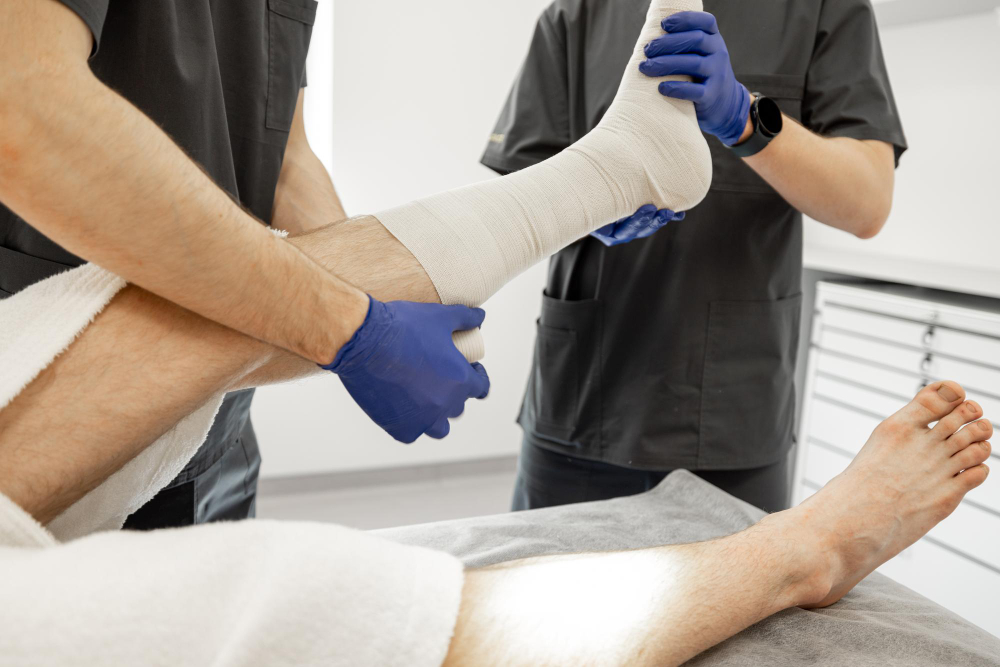
Fracture rehabilitation is a step-by-step plan to help you heal after a bone break. The main goals are to restore movement, reduce pain, and prevent future problems. Usually, a team of experts guides you. This team may include doctors, physiotherapists, and nurses. They create a plan that fits your needs. For example, they may suggest exercises, stretches, or special devices. Above all, the aim is to help you return to your normal activities.
Common Symptoms and Challenges After a Fracture
After a fracture, you may notice many changes in your body and mind. These symptoms can make daily life harder. But with support, you can overcome them. Common physical and emotional symptoms include:
Sometimes, these challenges last even after the bone heals. Therefore, ongoing care is important for full recovery.
Stages of Healing: Beyond the Bone
Bone healing happens in several stages. First, the body forms a blood clot around the break. Next, new bone tissue grows and hardens. But healing does not stop there. Muscles, joints, and nerves around the bone also need care. For example, muscles may become weak from not moving. Joints can get stiff. Nerves may feel numb or tingly. So, fracture rehabilitation focuses on all these parts. This whole-body approach helps you move better and feel stronger.
Diagnosis and Assessment in Rehabilitation
To plan your recovery, experts use different tools and tests. These help them understand your needs. Common assessment methods include:
With these tools, your team can track progress and adjust your plan as needed. According to the World Health Organization (WHO), regular assessment improves recovery outcomes.
Treatment Approaches in Fracture Rehabilitation
Treatment in fracture rehabilitation uses many methods. Each one helps you heal in a different way. Common approaches include:
Often, your physiotherapist will guide you through each step. As you improve, your plan will change to match your progress.
Lifestyle Guidance and Home Care Tips
Healing at home is just as important as clinic visits. With the right habits, you can speed up recovery. Here are some helpful tips:
Additionally, keep a positive mindset. Recovery takes time, but small steps lead to big gains.
Prevention of Complications and Re-injury
Preventing problems is a key part of fracture rehabilitation. You can lower your risk of setbacks by:
With these steps, you can protect your healing bone and avoid future injuries. The Centers for Disease Control and Prevention (CDC) also recommends regular check-ups for lasting bone health.
Conclusion
Fracture rehabilitation is more than bone healing. It supports your whole body and mind. With expert care and daily effort, you can regain strength and confidence. Consult a physiotherapist or rehabilitation specialist at Breeze Multidisciplinary Rehabilitation Centre for personalized fracture recovery guidance.