Introduction: What Is Post-Neurosurgery Rehabilitation?
After brain or spine surgery, many people need extra help to recover. This help is called post-neurosurgery rehabilitation. It includes special care and exercises that support healing. Because the brain and nerves control many body functions, recovery can be slow. However, with the right support, most people can regain strength and skills. According to the World Health Organization (WHO), rehabilitation is a key part of health care. It helps people return to daily life after surgery.
Common Symptoms and Challenges After Neurosurgery
After neurosurgery, patients may face several challenges. For example, some people have trouble moving or speaking. Others may feel weak or tired. In many cases, memory or thinking skills can change. But with support, these problems often improve over time. Common symptoms and challenges include:
Because each person is different, symptoms can vary. Yet, early support makes a big difference in recovery.
Goals and Benefits of Rehabilitation
The main goal of post-neurosurgery rehabilitation is to help people get back to daily life. In addition, it aims to improve strength, movement, and independence. Some key benefits include:
Because rehabilitation is tailored to each person, it supports unique needs and goals.
Key Rehabilitation Techniques and Therapies
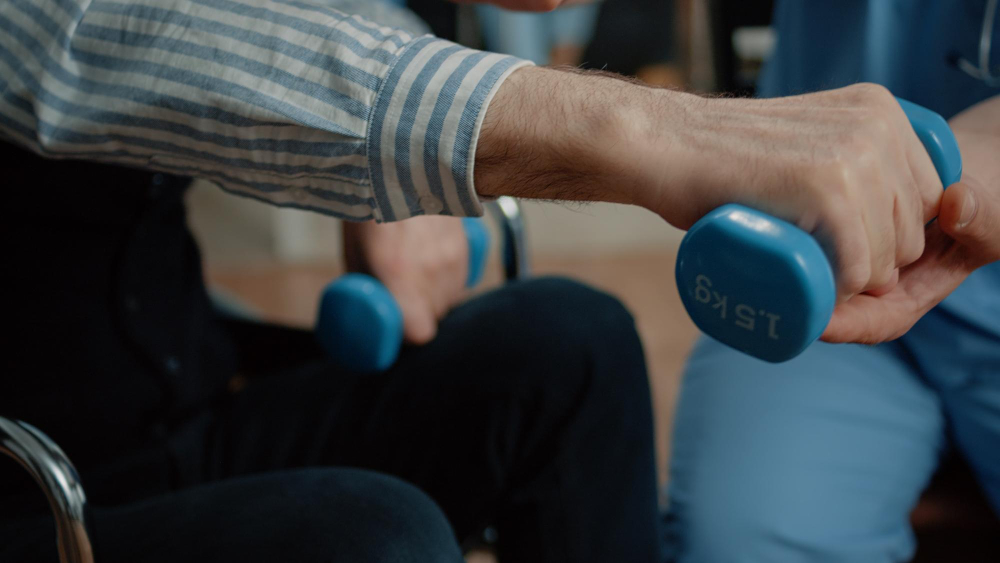
Several therapies help with neurosurgery recovery. Each one targets different skills. For example, physical therapy helps with movement and strength. Occupational therapy teaches daily tasks, like dressing or cooking. Speech therapy supports talking and swallowing. Some common rehabilitation techniques include:
Because every patient is unique, the care team chooses the best mix of therapies.
Steps in the Rehabilitation Process
Rehabilitation after brain surgery follows clear steps. Each step builds on the last. This helps track progress and adjust care as needed. The main steps are:
Because regular check-ins are important, they help keep recovery on track.
Tips for Patients and Families to Support Recovery at Home
Home support is key to neurosurgery recovery. Even small steps can help. Here are some tips for patients and families:
Because recovery can be slow, support and understanding make a big difference.
Prevention of Complications and Promoting Long-Term Health
After neurosurgery, preventing problems is very important. For example, moving often can lower the risk of blood clots. Eating healthy foods and drinking water helps healing. In addition, regular check-ups catch issues early. To promote long-term health:
Because good habits support recovery, they also help prevent future problems.
When to Consult a Rehabilitation Specialist
Sometimes extra support is needed during recovery. If you notice new weakness, pain, or difficulty with daily activities, it’s important to seek guidance. Slow progress or uncertainty about recovery can be addressed with expert care. At Breeze Multidisciplinary Rehabilitation Centre, our specialists provide personalized rehabilitation plans to help you regain strength and independence. Consult our experts for tailored recovery guidance and support.