What Is Sciatica?
Sciatica is a type of nerve pain that starts in the lower back and travels down one leg. Often, this pain follows the path of the sciatic nerve. Because the nerve is large, pain can be sharp, burning, or even feel like an electric shock. Sometimes, people also feel tingling, numbness, or weakness in the leg. For many, sciatica makes it hard to walk or sit comfortably. Early sciatica rehabilitation can help reduce nerve pain and improve mobility.
Common Symptoms of Sciatica
Sciatica symptoms can vary from mild to severe. However, most people notice pain in the lower back, buttock, or leg. In addition, you may experience:
Because symptoms can change, it is important to track what you feel each day.
What Causes Sciatica?
Sciatica happens when something presses on or irritates the sciatic nerve. Most often, this is due to a slipped or herniated disc in the lower back. However, other causes include:
Sometimes, being overweight or sitting for long periods can also increase your risk. Because these causes are common, many people experience sciatica at some point.
How Is Sciatica Diagnosed?
Doctors usually start with a physical exam and questions about your symptoms. Often, they will ask when the pain started and what makes it better or worse. In some cases, your doctor may order tests such as:
Because early diagnosis helps, it is best to see a doctor if pain lasts more than a few days.
Physiotherapy and Rehabilitation for Sciatica
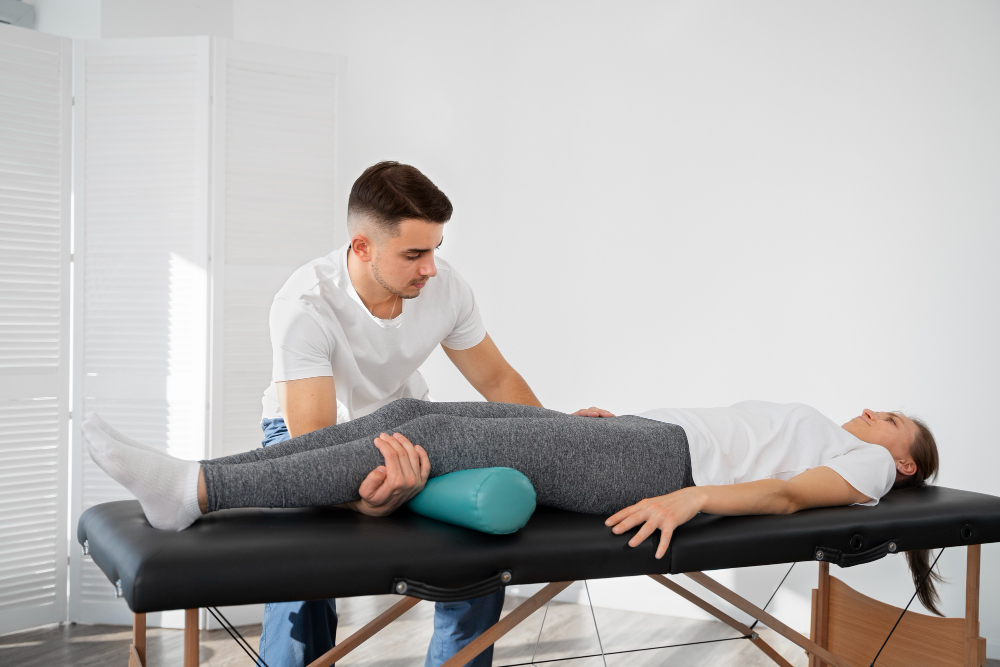
Physiotherapy for sciatica is a key part of recovery. With the right exercises and stretches, you can reduce nerve pain and improve mobility. In addition, physiotherapists teach you how to move safely and avoid further injury. Common sciatica rehabilitation strategies include:
Because every person is different, your physiotherapist will create a plan just for you. Over time, these steps can help you return to normal activities.
Home Exercises to Reduce Nerve Pain
While professional care is important, you can also do simple exercises at home. However, always check with your doctor before starting. Here are some safe options:
Because regular movement helps, try to do these exercises daily.
Lifestyle Tips for Better Mobility
In addition to exercises, small changes can make a big difference. For example, you can:
Because these habits support your recovery, try to include them in your daily routine.
Preventing Future Sciatica Episodes
Once your pain improves, you may want to prevent it from coming back. Therefore, focus on:
Because prevention is easier than treatment, these steps can help you stay pain-free.
When to Seek Professional Help
Although many people recover at home, sometimes you need extra care. See a doctor or physiotherapist if you:
Because these signs can mean a serious problem, do not wait to get help.
Conclusion
Sciatica rehabilitation can reduce nerve pain and improve mobility. With the right physiotherapy, exercises, and lifestyle changes, most people feel better in a few weeks. However, consult a physiotherapist at Breeze Multidisciplinary Rehabilitation Centre for personalized sciatica rehabilitation guidance.