Introduction
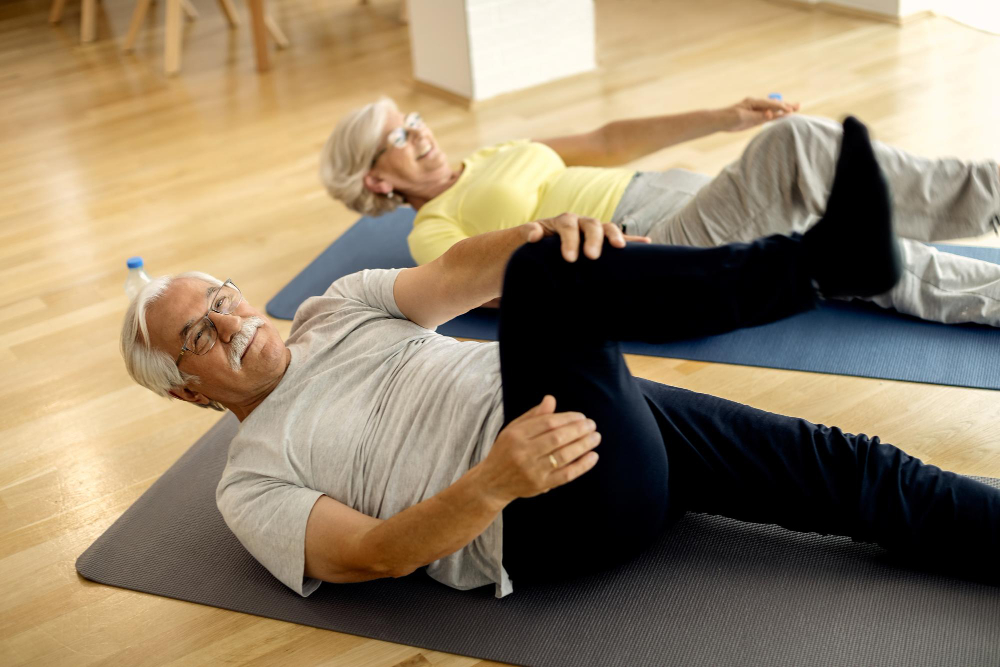
Geriatric rehabilitation helps older adults recover strength, movement, and independence. It focuses on improving quality of life for seniors who face health challenges. Many older adults need support after illness, injury, or surgery. Because of this, geriatric rehabilitation is very important. It can help seniors stay active and enjoy daily life. According to the World Health Organization (WHO), good rehabilitation can reduce disability and improve well-being.
Symptoms and Challenges Faced by Older Adults Needing Rehabilitation
Many seniors face problems that make daily tasks hard. For example, they may have trouble walking, standing, or using their hands. Some common symptoms and challenges include:
Because of these issues, older adults may lose confidence. They might avoid social activities or feel lonely. However, with the right help, many can regain their abilities.
Common Causes and Risk Factors Leading to the Need for Geriatric Rehabilitation
There are many reasons why seniors may need rehabilitation. Some common causes and risk factors include:
In addition, some seniors have poor nutrition or do not exercise enough. These factors can increase the risk of needing geriatric rehabilitation. Early support can help prevent further problems.
Diagnosis and Assessment Methods
Doctors and therapists use several methods to assess seniors. First, they ask about symptoms and daily challenges. Then, they may check strength, balance, and movement. Some common assessment tools include:
After the assessment, the team creates a care plan. This plan is based on each person’s needs and goals.
Evidence-Based Treatment Options
There are many proven treatments for seniors in geriatric rehabilitation. Most plans include physiotherapy, which helps improve strength and movement. Some common physiotherapy techniques are:
In some cases, occupational therapy helps seniors relearn daily tasks. Speech therapy may help those with trouble speaking or swallowing. Because every person is different, treatment plans are tailored to individual needs. According to the CDC, early and regular rehabilitation leads to better outcomes.
Lifestyle Guidance and Home Care Tips
Good habits at home can support recovery. Here are some helpful tips:
Moreover, staying connected with friends and family can boost mood and motivation. Simple changes can make a big difference in recovery.
Prevention Strategies to Maintain Mobility and Independence
Preventing problems is just as important as treating them. To maintain mobility and independence, seniors can:
Because prevention is key, starting healthy habits early can help seniors stay independent longer.
Conclusion
In summary, geriatric rehabilitation helps older adults regain strength, movement, and confidence. With the right care, seniors can enjoy a better quality of life. If you or a loved one needs support, consult a rehabilitation specialist for personalized advice. If you or a loved one needs support, consult a rehabilitation specialist at Breeze Multidisciplinary Rehabilitation Centre for personalized advice.