
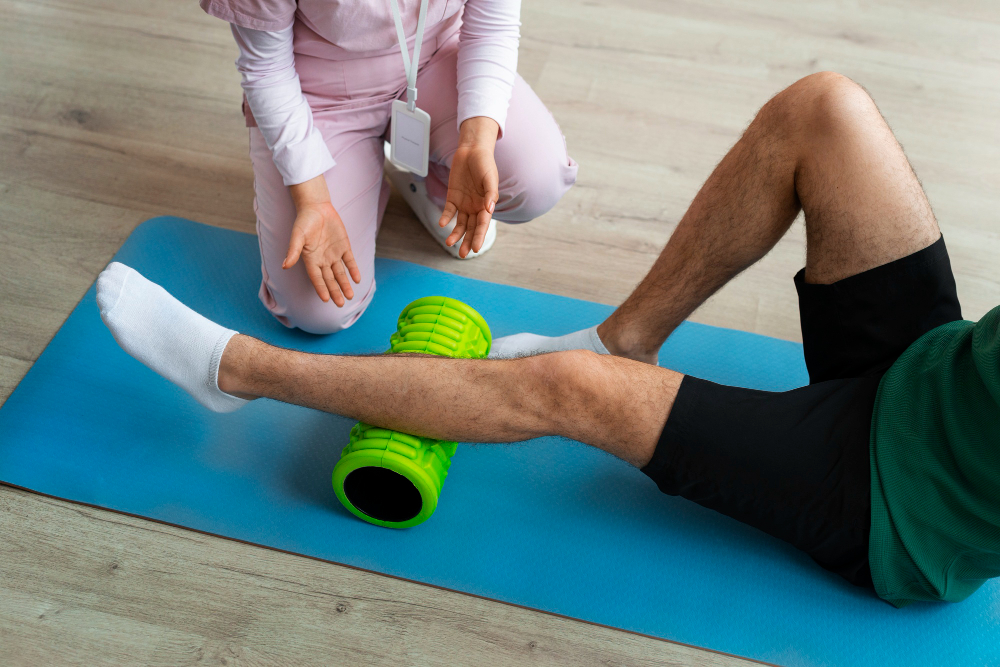
Introduction to Knee Rehabilitation
Knee rehabilitation helps restore strength and mobility after an injury or surgery. Many people need knee rehabilitation to return to daily activities. Early care can speed up recovery and reduce pain. Because the knee is a complex joint, it needs special attention. Knee rehabilitation exercises and physiotherapy for knee recovery are key steps. With the right plan, you can regain movement and confidence.
Common Causes of Knee Injuries
Knee injuries can happen to anyone. Often, they result from sudden twists, falls, or overuse. Sometimes, sports or accidents are to blame. In other cases, age-related wear and tear weakens the knee. Here are some common causes:
Symptoms Indicating the Need for Rehabilitation
Sometimes, knee pain goes away with rest. However, certain symptoms mean you may need knee rehabilitation. Early attention can prevent further damage. Watch for these signs:
Diagnosis and Assessment Methods
First, a doctor or physiotherapist will ask about your symptoms. Next, they will check your knee’s movement and strength. Sometimes, they may order tests. These can include:
With a clear diagnosis, your care team can create a plan to restore knee strength and improve knee mobility.
Effective Knee Rehabilitation Techniques
Many techniques help with knee rehabilitation. Each person’s plan may differ. However, most plans include:
In addition, physiotherapy for knee recovery often uses special equipment. For example, resistance bands or stationary bikes may be used.
Home Exercises and Lifestyle Tips
Along with clinic visits, home care is important. Simple exercises can help restore knee strength and improve knee mobility. Always follow your physiotherapist’s advice. Here are some safe home exercises and tips:
Prevention Strategies for Knee Injuries
Preventing knee injuries is possible with a few simple steps. Because prevention is better than cure, try these strategies:
When to Consult a Physiotherapist
Sometimes, home care is not enough. If pain, swelling, or weakness continues, seek help. A physiotherapist can design a plan just for you. Moreover, they can teach you safe knee rehabilitation exercises. Early care can speed up your recovery and prevent long-term problems.
Consult a physiotherapist at Breeze Multidisciplinary Rehabilitation Centre for personalized knee rehabilitation guidance.