Introduction
Parkinson’s Disease Rehabilitation helps people with Parkinson’s move better and live fuller lives. This care focuses on improving mobility, balance, and daily activities. Early rehabilitation can make a big difference. It helps manage symptoms and keeps you active. Many people search for “Parkinson’s Disease rehabilitation exercises” or “improving mobility in Parkinson’s.” These programs use special exercises and therapies. They are designed for each person’s needs. If you or a loved one has Parkinson’s, learning about rehabilitation is important.
What is Parkinson’s Disease?
Parkinson’s Disease is a brain disorder. It affects movement and muscle control. The disease happens when certain brain cells stop working. These cells make a chemical called dopamine. Without enough dopamine, moving becomes harder. People may shake, feel stiff, or move slowly. According to the World Health Organization (WHO), Parkinson’s is a common condition, especially in older adults.
Why Rehabilitation Matters for Parkinson’s Disease
Rehabilitation is key for people with Parkinson’s Disease. It helps you stay active and independent. With the right support, you can manage symptoms better. Rehabilitation also lowers the risk of falls and injuries. For many, it improves mood and confidence. Early therapy can slow down movement problems. Therefore, starting rehabilitation soon after diagnosis is helpful.
Common Symptoms Addressed by Rehabilitation
Rehabilitation targets many symptoms of Parkinson’s Disease. Some common issues include:
Because these symptoms can change over time, regular check-ins with your care team are important.
Effective Rehabilitation Techniques and Therapies
Many therapies help people with Parkinson’s Disease. Some of the most effective include:
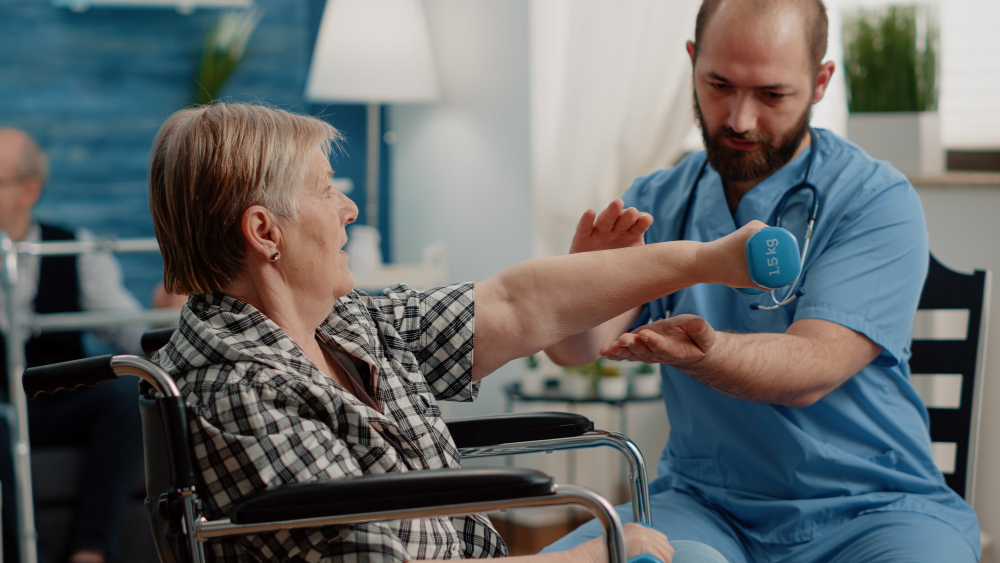
For example, a physiotherapist may teach you safe ways to get up from a chair. They may also show you how to walk with better balance. According to the Centers for Disease Control and Prevention (CDC), these therapies can improve quality of life.
Daily Exercises and Movement Tips
Staying active every day is important. Simple exercises can help you move better. Try to:
However, always talk to your doctor before starting new exercises. They can guide you on what is safe for you.
Lifestyle Changes to Support Mobility
Besides exercise, some lifestyle changes can help. For instance, you can:
Because small changes add up, making your daily life safer and easier is important.
How to Find the Right Physiotherapist
Choosing the right physiotherapist is key for Parkinson’s Disease Rehabilitation. Look for someone with experience in treating Parkinson’s. You can:
Because every person is different, a good therapist will create a plan just for you.
Prevention of Complications
Rehabilitation also helps prevent problems linked to Parkinson’s Disease. For example, regular movement lowers the risk of falls and broken bones. Good therapy can also prevent muscle weakness and joint pain. By staying active and following your care plan, you can avoid many common issues. According to medical journals, ongoing rehabilitation reduces hospital visits and keeps you healthier.
Conclusion
In summary, Parkinson’s Disease Rehabilitation is vital for improving movement and daily life. With the right exercises, therapies, and support, you can stay active and independent. Remember, early action makes a big difference. Consult a physiotherapist or rehabilitation specialist at Breeze Multidisciplinary Rehabilitation Centre for personalized guidance on Parkinson’s Disease rehabilitation.