What Is Stroke Physiotherapy?
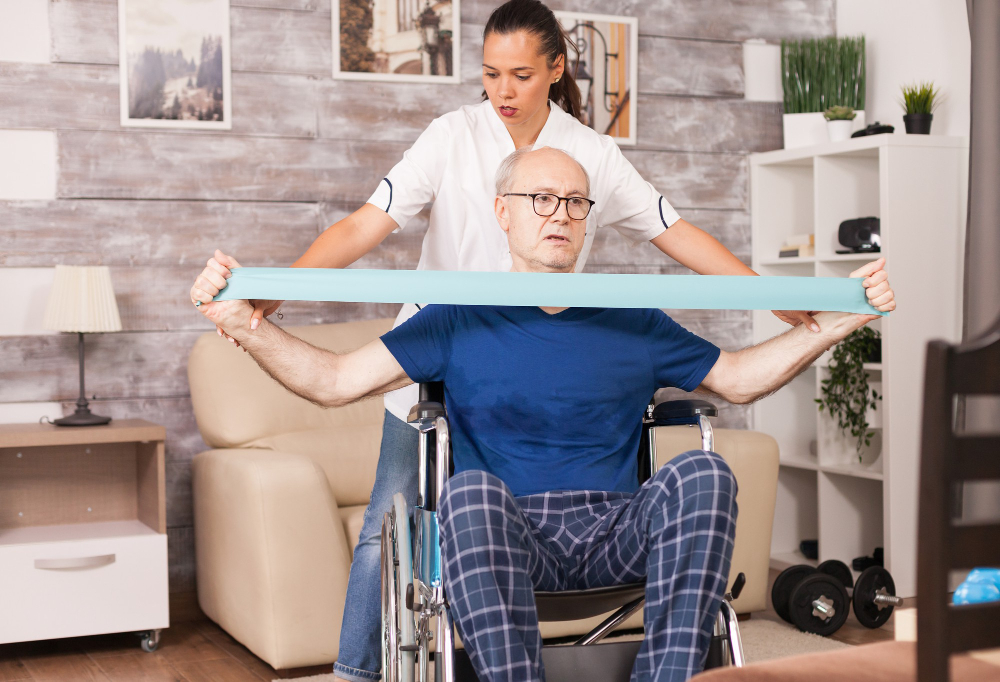
Stroke physiotherapy is a special type of care for people who have had a stroke. It helps them regain movement, strength, and balance. After a stroke, many people find it hard to move or do daily tasks. With stroke physiotherapy, trained experts guide patients through exercises and activities. These steps help the brain and body relearn skills. As a result, stroke physiotherapy is a key part of stroke recovery and long-term health.
Common Symptoms and Challenges After a Stroke
After a stroke, people may face many challenges. For example, they might have:
Because of these symptoms, daily activities like dressing or eating can become hard. However, with the right support, many people improve over time.
Goals and Benefits of Physiotherapy in Stroke Recovery
Physiotherapy for stroke recovery has clear goals. First, it aims to help patients move better and become more independent. Next, it works to prevent problems like muscle tightness or joint pain. In addition, stroke physiotherapy can boost confidence and mood. Some key benefits include:
According to the World Health Organization, early and regular rehab leads to better results for stroke survivors.
Typical Physiotherapy Techniques and Exercises for Stroke Patients
Stroke rehabilitation exercises are tailored to each person. Yet, some common techniques include:
Often, physiotherapists use tools like exercise bands or balance boards. They may also teach family members how to help at home. With regular practice, these exercises can speed up recovery.
How to Start Stroke Rehabilitation: Diagnosis and Treatment Planning
After a stroke, doctors and therapists assess the patient’s needs. They check movement, strength, and daily skills. Then, they create a treatment plan. This plan sets clear goals and lists the best exercises. Usually, stroke rehab starts in the hospital. Later, it may continue at home or in a clinic. Early rehab is important, but it is never too late to start. If you live near a local stroke rehab center, ask your doctor for a referral.
Lifestyle Guidance and Tips for Stroke Survivors
Stroke survivors can take steps to support their recovery. For example:
Additionally, staying positive and setting small goals can make a big difference. Remember, progress may be slow, but every step counts.
Prevention of Complications and Maximizing Recovery
Stroke physiotherapy also helps prevent problems like muscle stiffness, pressure sores, or falls. To maximize recovery, it is important to:
With the right care, many people regain skills and enjoy a better quality of life. The Centers for Disease Control and Prevention notes that ongoing rehab can lead to lasting improvements.
Conclusion: Take the Next Step in Stroke Recovery
Stroke physiotherapy offers hope and real results for survivors. If you or a loved one needs help, consult a qualified physiotherapist at Breeze Multidisciplinary Rehabilitation Centre for personalized stroke rehabilitation guidance.