Introduction
Epilepsy is a brain condition that causes repeated seizures. These seizures happen when the brain’s electrical activity changes suddenly. Because epilepsy affects people of all ages, it can impact daily life, work, and school. According to the World Health Organization, about 50 million people worldwide live with epilepsy. Although it can be challenging, many people manage epilepsy well with the right care. In this blog, you will learn about epilepsy symptoms, causes, diagnosis, and rehabilitation approaches. You will also find tips for living with epilepsy and staying safe.
Symptoms of Epilepsy
Epilepsy symptoms can vary from person to person. However, most people experience seizures. Seizures are sudden bursts of electrical activity in the brain. Because there are different types of seizures, symptoms may look different. For example, some people may stare blankly for a few seconds. Others may shake or lose awareness. Here are common signs of epilepsy:
Sometimes, symptoms are mild and easy to miss. But even mild symptoms should be checked by a doctor.
Causes and Risk Factors
Epilepsy can have many causes. Sometimes, doctors cannot find the exact reason. However, some common causes and risk factors include:
Although anyone can develop epilepsy, some people have a higher risk. For example, children and older adults are more likely to get epilepsy. In addition, having a family member with epilepsy can increase your risk.
Diagnosis Methods
Doctors use several methods to diagnose epilepsy. First, they ask about your symptoms and medical history. Then, they may order tests to learn more. Common ways to diagnose epilepsy include:
Because early diagnosis is important, see a doctor if you notice any epilepsy symptoms. If you wonder how is epilepsy diagnosed, these are the main steps doctors follow.
Treatment Options
There are many ways to treat epilepsy. Most people start with medicine to control seizures. However, some people may need other treatments. Here are common treatment options:
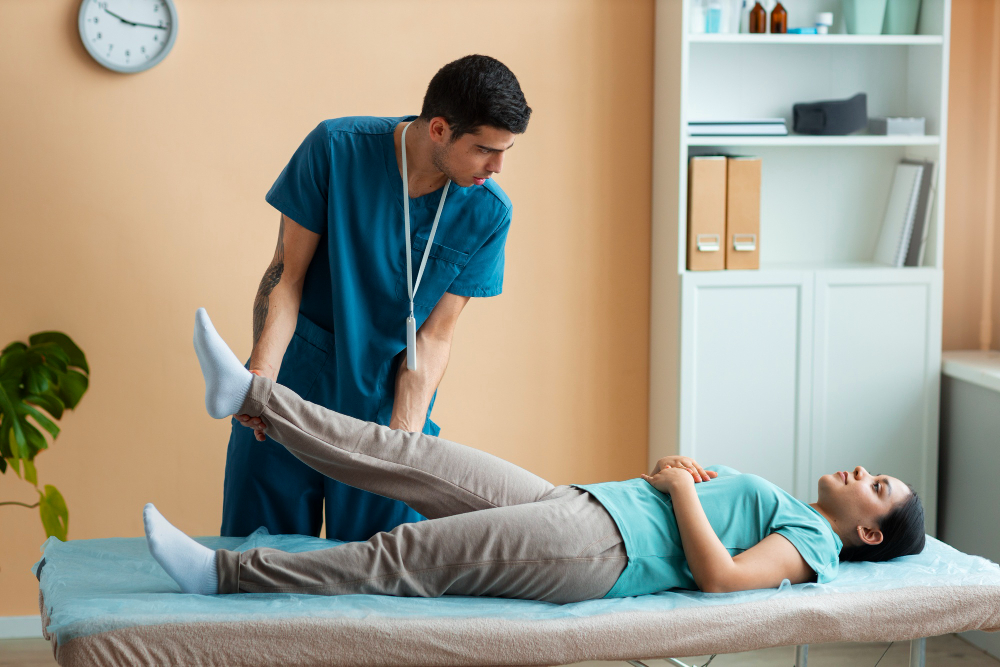
Besides medical treatments, rehabilitation and physiotherapy play a key role. For example, epilepsy rehabilitation helps people regain strength and confidence after seizures. Physiotherapists teach safe movement and balance exercises. They also help with memory and thinking skills. Because living with epilepsy can be stressful, counseling and support groups are helpful too.
Lifestyle and Self-Care Tips
Although epilepsy can be challenging, many people lead full lives. Here are some tips for living with epilepsy:
Because self-care is important, always talk to your doctor before making changes to your routine.
Prevention and Safety Measures
While you cannot always prevent epilepsy, you can lower your risk of injury during a seizure. Here are some safety tips:
In addition, regular check-ups help you manage your condition and stay safe.
When to Seek Medical Help
Sometimes, seizures can be dangerous. Seek medical help if:
Because quick action can save lives, do not wait to call for help if you are unsure.
In summary, epilepsy is a common brain condition, but many people manage it well. With the right treatment and support, you can live a healthy life. Consult a healthcare professional or physiotherapist at Breeze Multidisciplinary Rehabilitation Centre for personalized advice on managing epilepsy.