What is Parkinson’s Disease?
Parkinson’s disease is a long-term brain disorder. It mainly affects movement and balance. Because it gets worse over time, daily life can become more difficult. People with Parkinson’s disease may notice shaking, slow movement, or stiff muscles. This condition is common in older adults, but anyone can develop it. Although there is no cure, early care and support can help manage symptoms. Parkinson’s disease physiotherapy and rehabilitation for Parkinson’s are important parts of treatment.
Common Symptoms of Parkinson’s Disease
Many people notice mild symptoms at first. However, these signs can become more noticeable as the disease progresses. Early detection is important. Common symptoms include:
Additionally, some people may feel tired, sad, or have trouble sleeping. Not everyone will have all these symptoms. But if you notice several, it is wise to seek medical advice.
Causes and Risk Factors
Doctors do not know the exact cause of Parkinson’s disease. However, it happens when certain brain cells stop working properly. These cells make a chemical called dopamine, which helps control movement. When dopamine levels drop, symptoms appear. Several risk factors can increase the chance of developing Parkinson’s disease:
Even though these factors play a role, anyone can get Parkinson’s disease. Therefore, it is important to know the symptoms and seek help early.
How is Parkinson’s Disease Diagnosed?
Doctors use a mix of tests and questions to diagnose Parkinson’s disease. There is no single test for it. Usually, a doctor will:
Sometimes, doctors may watch your symptoms over time. Early diagnosis helps start treatment sooner. Because Parkinson’s diagnosis can be tricky, always see a trained healthcare provider.
Physiotherapy and Rehabilitation in Parkinson’s Disease
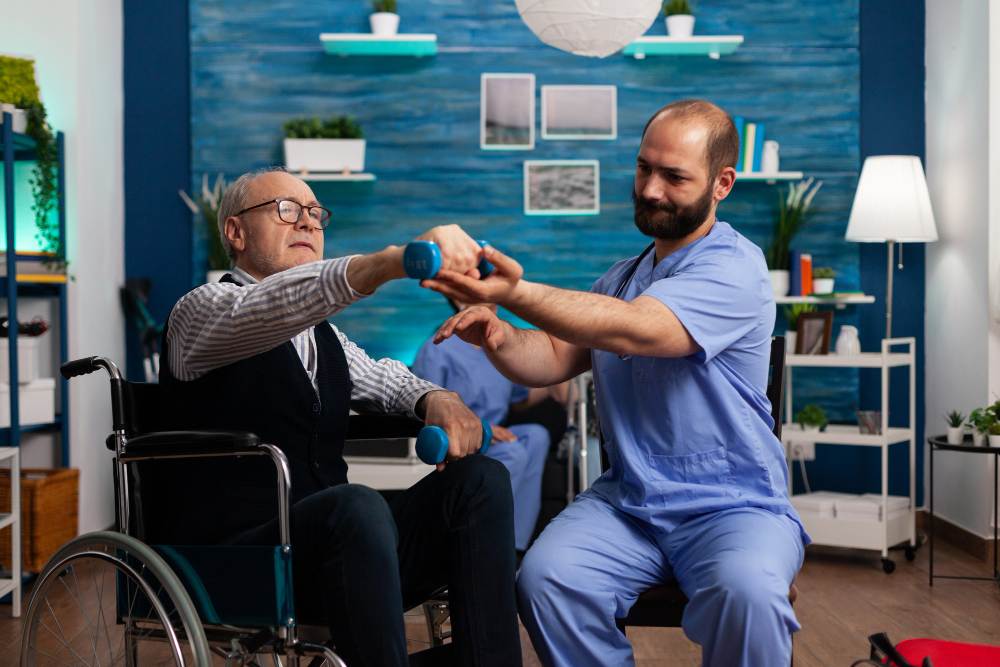
Physiotherapy plays a key role in managing Parkinson’s disease. It helps improve movement, balance, and strength. With regular sessions, people can stay active and independent for longer. Rehabilitation for Parkinson’s includes:
Moreover, a physiotherapist can create a plan just for you. This plan may change as your needs change. Parkinson’s disease physiotherapy can also boost confidence and mood.
Lifestyle Tips and Daily Management
Living with Parkinson’s disease can be challenging. However, small changes can make daily life easier. Try these tips:
In addition, ask your physiotherapist for advice on daily tasks. They can suggest tools or changes to help you stay safe and independent.
Prevention and Early Detection
Currently, there is no sure way to prevent Parkinson’s disease. However, early detection can help manage symptoms better. Watch for early signs, such as tremors or slow movement. If you notice changes, talk to your doctor right away. Staying active, eating well, and protecting your head may lower your risk. Because research is ongoing, new treatments and prevention tips may become available in the future.
Reliable Resources and Support
Getting the right information is important. For trustworthy advice, visit these sources:
Furthermore, many communities offer support groups and rehabilitation for Parkinson’s. These groups can help you share experiences and learn new tips.
Consult a physiotherapist or healthcare specialist at Breeze Multidisciplinary Rehabilitation Centre for personalized advice on managing Parkinson’s disease.